
17-28
Residential
A Residential Treatment Center in Southern Oregon
Our residential treatment center in Klamath Falls, Oregon offers healing, nurturing treatment that helps teens and young adults struggling with mental health issues. Our treatment facility near downtown Klamath Falls, Oregon, provides a peaceful, healing setting for your family members to reflect and grow.
Behind the Scenes at an Embark Residential Treatment Center
Why Choose Our Oregon Residential Program
For youth of all sexual orientations, gender identities, and expressions struggling with anxiety, depression, suicidal ideation, and other mental health issues, the earlier they’re diagnosed, the more effective inpatient treatment can be. Identifying those behaviors and symptoms early and getting help, including specialized treatment, can prevent further and more severe problems from developing later.
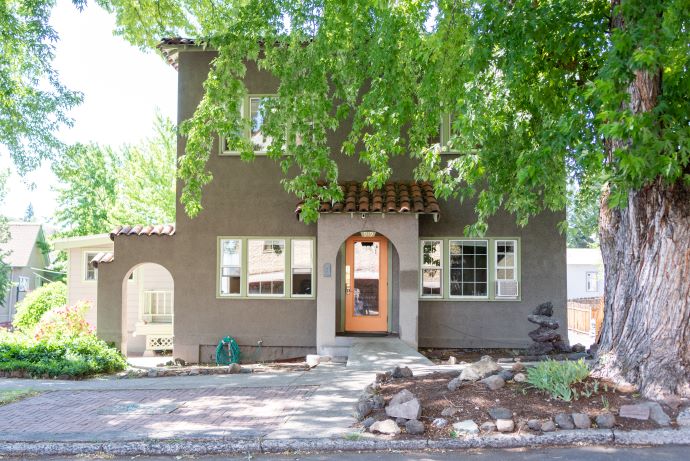
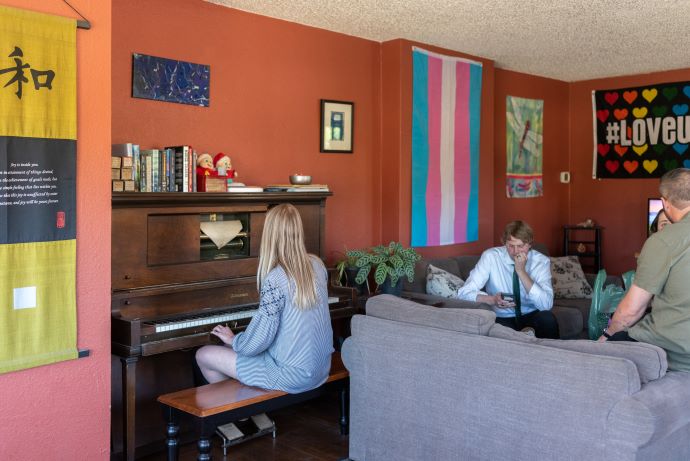
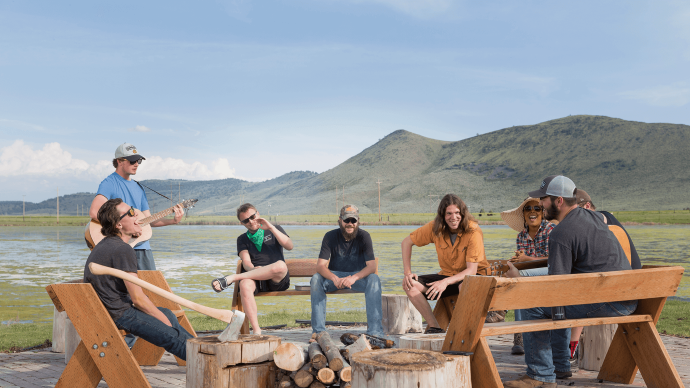
Healing Residential Treatment in Oregon
Our treatment center offers coed residential care and support for teens and young adults who may be struggling with behavioral health issues. With inpatient facilities located within Klamath Falls, we’re proud to offer teens, young adults, and families in Oregon and around the country customized mental health treatment from clinicians who use evidence-based methods.


Mental Health Treatment
Anxiety, depression, and suicide are on the rise, and young people are at risk today more than ever before. Too many teens and young adults in and near Oregon go through life struggling with these and other mental health issues. It doesn’t have to be this way.
Services Our Oregon Residential Treatment Center Provides
Conditions We Treat
Youth receiving help for mental health issues like anxiety, depression, bipolar disorder, and more at our residential treatment facility can find healing, nurturing care that can help them create lives filled with joy.
Conditions we treat include:
Residential Therapies and Treatments Offered
The mental health services at our facility are highly recognized. Specialized residential treatments and therapies at our Southern Oregon location include:
- Dialectical behavior therapy (DBT)
- Experiential therapy
- Trauma-focused cognitive behavioral therapy (TF-CBT)
- Brainspotting
- Acceptance and Commitment Therapy (ACT)
Services Our Oregon Residential Treatment Center Provides
Conditions We Treat
Youth receiving help for mental health issues like anxiety, depression, bipolar disorder, and more at our residential treatment facility can find healing, nurturing care that can help them create lives filled with joy.
Conditions we treat include:
Residential Therapies and Treatments Offered
The mental health services at our facility are highly recognized. Specialized residential treatments and therapies at our Southern Oregon location include:
- Dialectical behavior therapy (DBT)
- Experiential therapy
- Trauma-focused cognitive behavioral therapy (TF-CBT)
- Brainspotting
- Acceptance and Commitment Therapy (ACT)
Meet Our Team
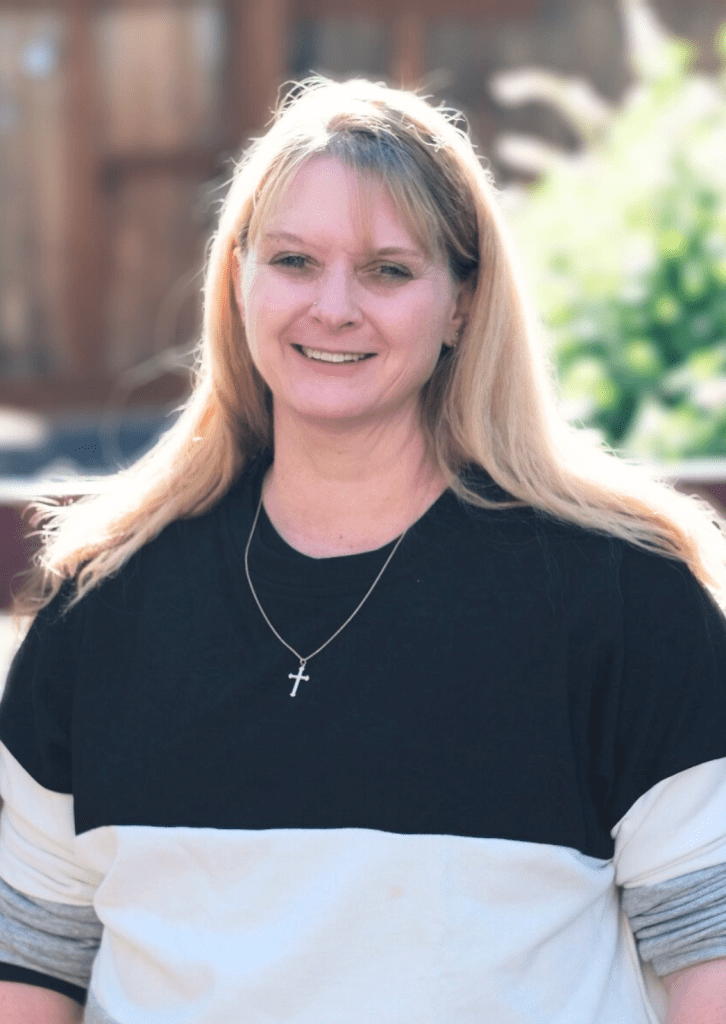
Kelly Elliott, MSW, LCSW

Dr. William Bunn, D.O
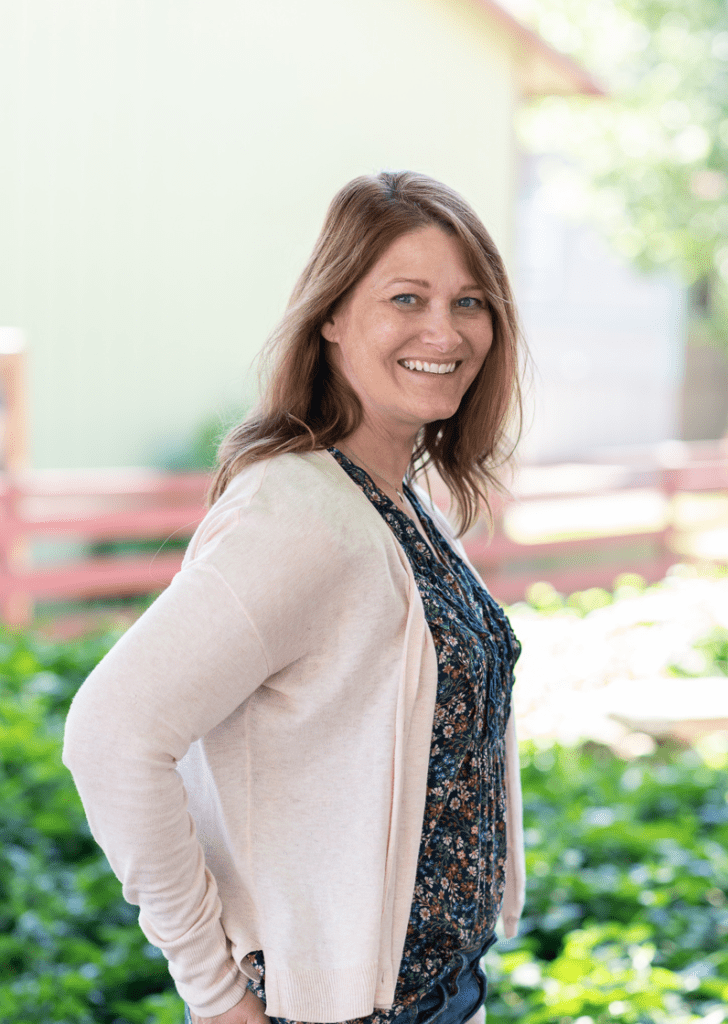
Michelle Hall, MS, Master of Science in Leadership

Stormy King
Location Reviews
FAQs
What does residential treatment look like at our Oregon treatment center?
How does our Oregon residential treatment center differ from other inpatient treatment options?
How long does residential treatment last?
Why do youth go to our Oregon treatment center?
When is residential treatment necessary?
How do you discuss going to residential treatment in Oregon with your child?

Start your healing journey
Call or fill out the contact form below.
Start your healing journey
Call us today or check out this program's site.
17-28
Residential
Hours
Monday: 9AM - 5PM
Tuesday: 9AM - 5PM
Wednesday: 9AM - 5PM
Thursday: 9AM - 5PM
Friday: 9AM - 5PM
Saturday: 7AM - 3PM
Areas Served
- Nationwide
- Klamath Falls, OR
- Ashland, OR
- Bend, OR
- Portland, OR
- Seattle, WA
- Spokane, WA
- Boise, ID
- Salt Lake City, UT
- Sacramento, CA
- San Francisco, CA
- San Jose, CA
- Las Vegas, NV
Embark Behavioral Health in Klamath Falls, Oregon
311 N. 9th Street
Klamath Falls, OR 97601
Your healing journey starts here.
Contact Embark Behavioral Health to learn more about how we treat mental health challenges in adolescents, teens, and young adults today.